We were woken at eight this morning by the sounds of flutes and drums and whistles, even though it’s raining outside. For the last hour and a half, there’s been no pause. I think when we poke our heads out the door, we’ll find each of the Antiplano communities parading around the streets in their matching traditional dress.
While the average tourist gets out of breath at almost 4000 metres just walking around, these impressive locals (in a broad sense – the Altiplano is an enormous area) don’t seem affected as they walk, carry heavy drums, and play wind instruments.
We arrived in Oruro at the cruel hour of 5 am after a near-sleepless overnight bus trip from Sucre. The bus was fine, but the rocky surface and wild corners all night were not conducive to proper sleep.
Oruro is a different city. It doesn’t have the colonial architecture of Sucre and despite the coloured roofs, feels like dusty desert city. Even Spanish is not broadly spoken, and I understand that there are a number of different local languages thriving here.
We took yesterday gently as we were exhausted. We strolled around the markets overflowing with celebratory materials like foam guns and confetti. We visited the Anthropology Museum with our hostel guide who (with clear and slightly slower) Spanish described the local historical artefacts from the region, including carved stone animals, mummified bodies, textiles and traditional Carnaval masks from the last 80 years.
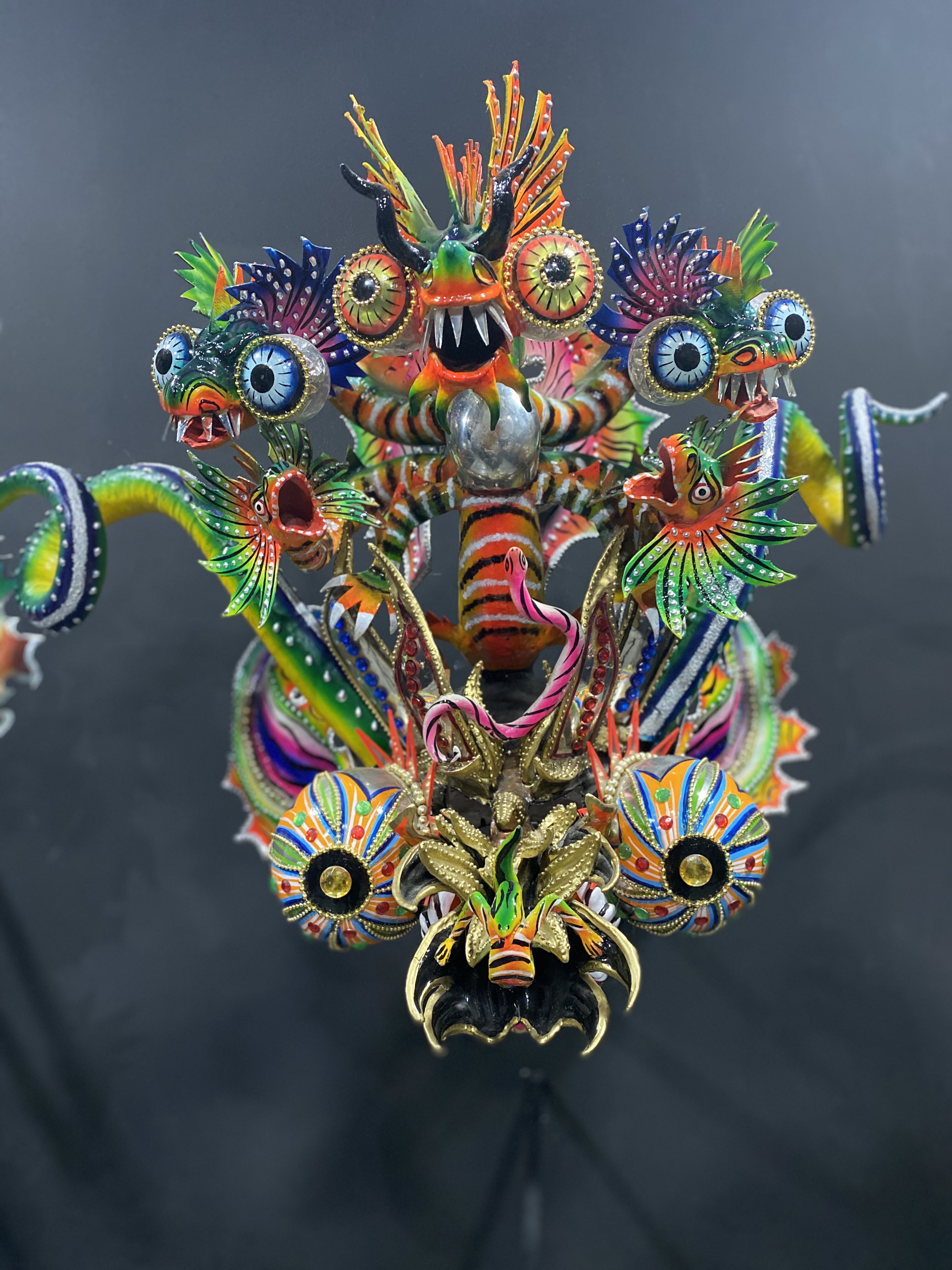
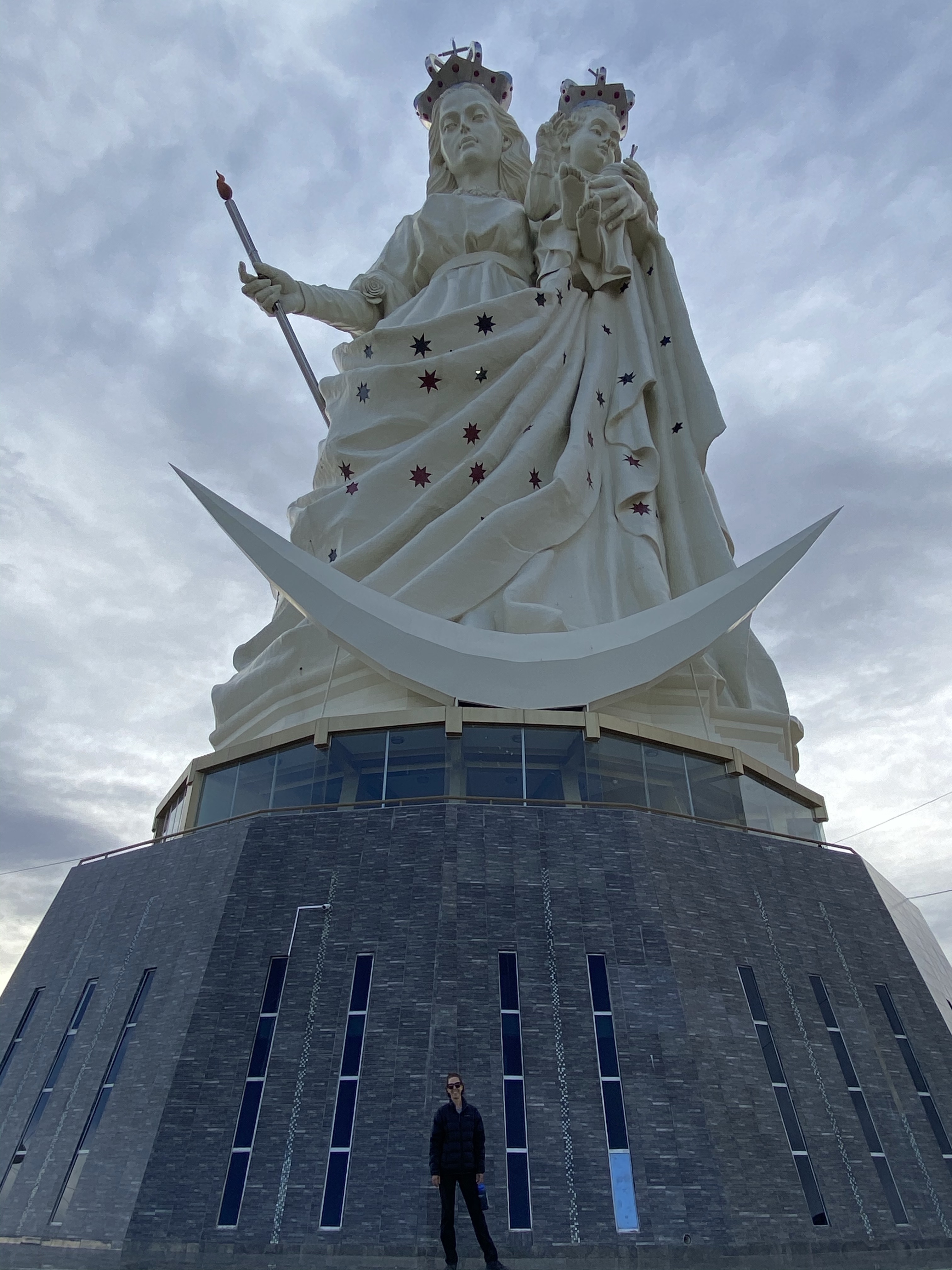
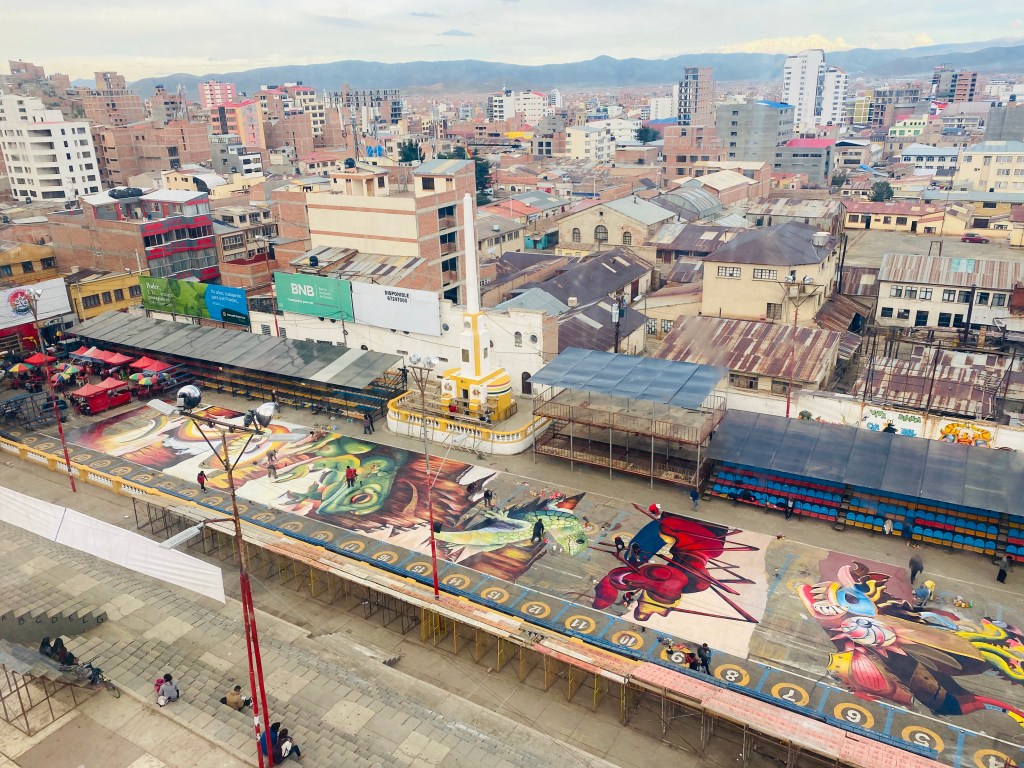
We took the new, shiny teleférico up to the statue of the Virgin which overlooks the city and basked in the splendid views and the sounds of Carnaval celebrations.
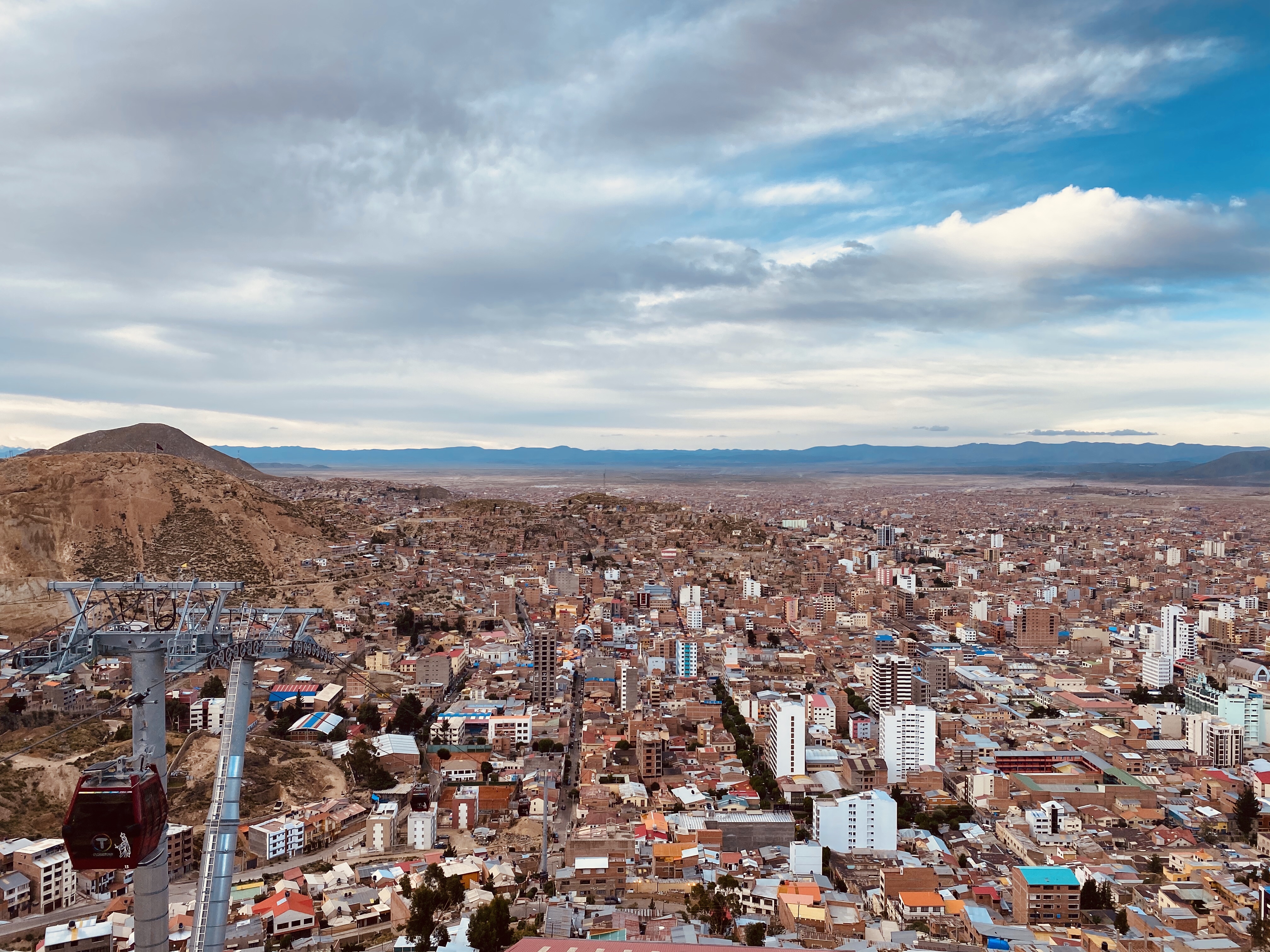
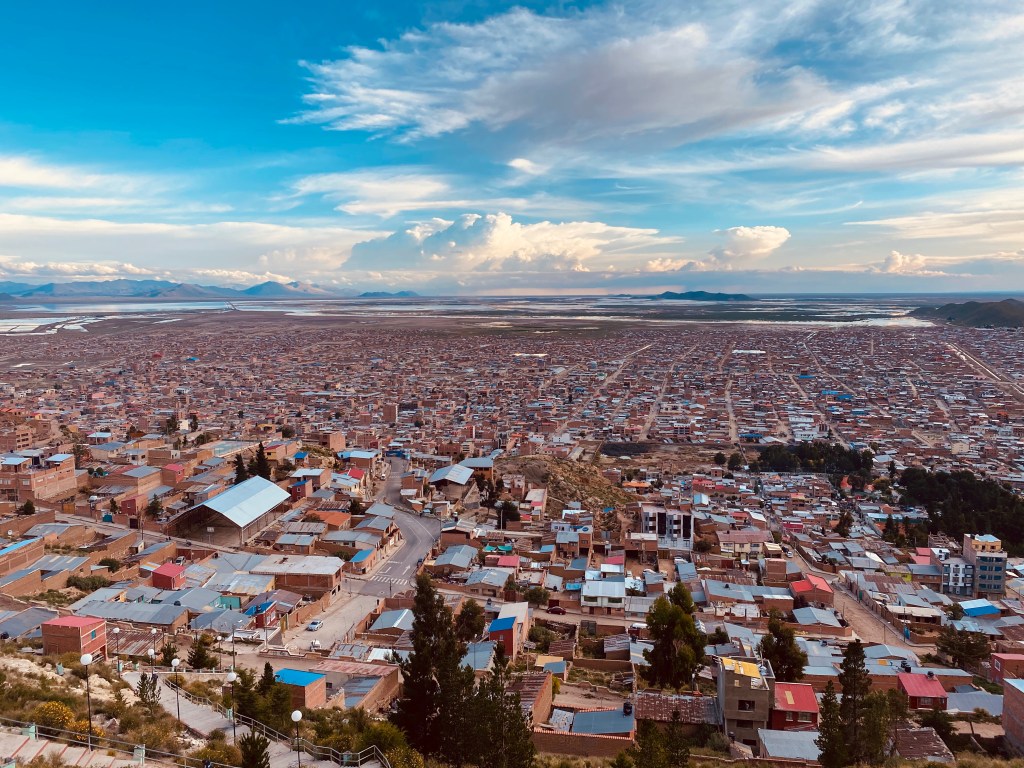
It’s been fun arriving before the main event – the enormous Saturday parade – to see this city setting up and getting excited for the celebrations.
We’re now well-rested, and ready to go join the talented musicians whose energy can’t be stopped by this pouring rain.
VRPS
[Oruro]
 The Two Swords